What a Human Voice Can Do That AI Still Can't
AI voice has improved significantly, but there are things a human voice actor does naturally that AI still cannot replicate — and buyers who have tried both know exactly where the gap shows up.
The Pattern Problem
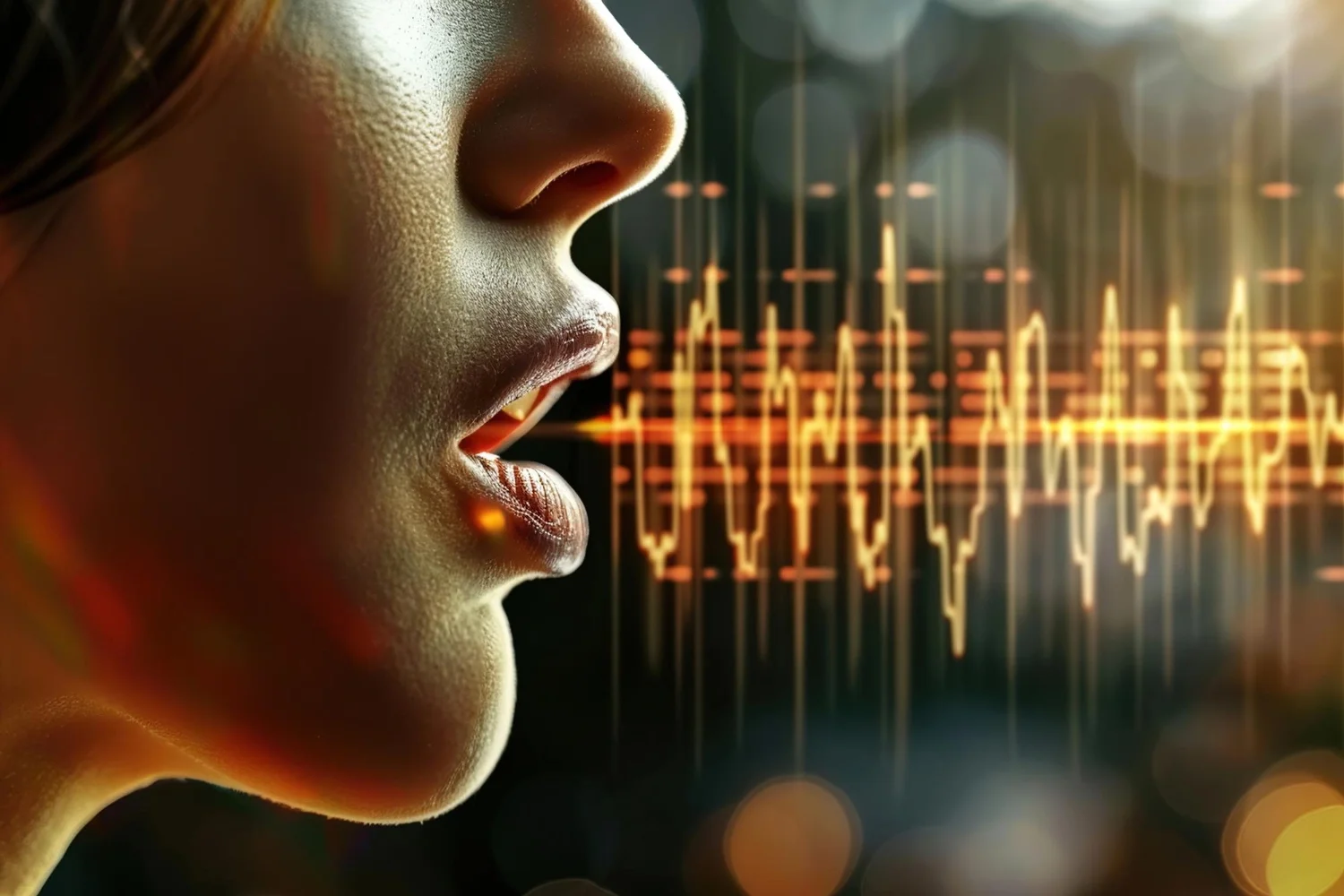
The most consistent failure point for AI voice is pattern. On short scripts, AI can sound convincing. On longer reads, something starts to feel off even if the listener can't immediately name it. What they're detecting is repetition, a rhythm in the delivery that stays too consistent across the entire read, it’s called uncanny valley.
Human voice actors break pattern naturally. They shift energy between sections, vary their pacing, and make micro-adjustments throughout a performance that keep the listener's attention without those adjustments ever being consciously noticed. AI doesn't know when to make those shifts. It reads with a consistent cadence because it has no sense of where the performance is in relation to the whole.
For long-form content, e-learning courses, explainer narrations, documentary voiceover, this is where AI gets detected, and once a listener detects the pattern, the content loses them. For a broader look at whether AI can replace human voice actors across different use cases, that post covers the full picture.

The Subtlety AI Can't Access
Beyond pattern, human voice brings subtle intonation and pauses that AI has no mechanism for getting right. A professional voice actor knows instinctively when a pause should be, when silence between two words creates emphasis that no amount of vocal energy could produce. They know when a slight drop in tone on a single word carries more weight than anything that comes before or after it.
AI doesn't know when those moments should happen because it has no understanding of the material. It processes text. It doesn't feel the weight of what it's saying or understand how a listener will receive a line. Those are human judgments, and they show up in performance as the difference between audio that moves people and audio that conveys information.
What You Can Do With a Human That You Can't Do With AI
Directing a human voice actor is a conversation. You describe how you want a line to feel, share a reference clip, or give a scenario, "read this as if you're telling a close friend something important", and the talent responds. The performance adjusts in real time. Two or three takes in, you have what you need.
Getting AI to deliver something specific is a different experience entirely. Prompting takes significant time, and the results are unpredictable. This becomes especially true with specialized terminology. Medical voiceover is one of the clearest examples; medical narration and content requires someone who can pronounce terminology correctly and consistently. AI voice doesn't know if it's mispronouncing a drug name. A professional human narrator does, and comes prepared with questions if something is unclear. For how medical voiceover specifically works and what to look for when hiring for it, that's covered here.
What Human Voice Does for Emotional Content
There are categories of content where the voice isn't just delivering information, it's the mechanism by which the listener connects to the message. Nonprofit fundraising, healthcare communication, storytelling, anything where the goal is for the listener to feel something rather than simply understand something.
I produced documentary work for a nonprofit called New Life for Haiti, covering the stories of children in difficult circumstances. The narration was human, and it had to be. The viewers needed to connect on a deeply emotional level with what they were seeing and hearing. That connection translated directly into donations, the documentaries raised tens of thousands of dollars. An AI voice reading the same script would have described the same facts. It would not have moved anyone.
That distinction, between content that informs and content that moves, is where human voice is irreplaceable.
Where Voice Dragons Stands
There is a growing pushback against AI-generated content across social media and professional platforms. Audiences on LinkedIn, Instagram, and elsewhere are becoming increasingly aware of when content was produced by automation rather than by a person, and the reaction to that awareness is skepticism and disengagement. For the data behind that audience reaction, including what happened to brands that found out the hard way, that's covered here.
Voice Dragons started as a platform offering both AI and human voice talent. We made the decision to remove AI voice from the platform entirely. The reason is straightforward: we believe in human voice work, and offering AI alongside human talent was a contradiction of that belief. It also cost us good talent who didn't want to be listed next to an AI option.
Voice Dragons now exists exclusively to support human voice talent and connect them with buyers who understand what a real performance is worth. The AI technology companies are building their own products. We're building something different, a platform where the human voice is the only option because it's the right one. Go humans!
Key Takeaways
- AI voice falls into detectable patterns on long reads that human talent breaks naturally
- Subtle intonation and pause timing require human judgment AI doesn't have
- Directing a human takes minutes, prompting AI for a specific result can take hours
- Specialized content like medical voiceover requires human talent who know the material
- Emotional content depends on human voice to create genuine connection with listeners
- Voice Dragons removed AI voice from the platform and now supports human talent exclusively